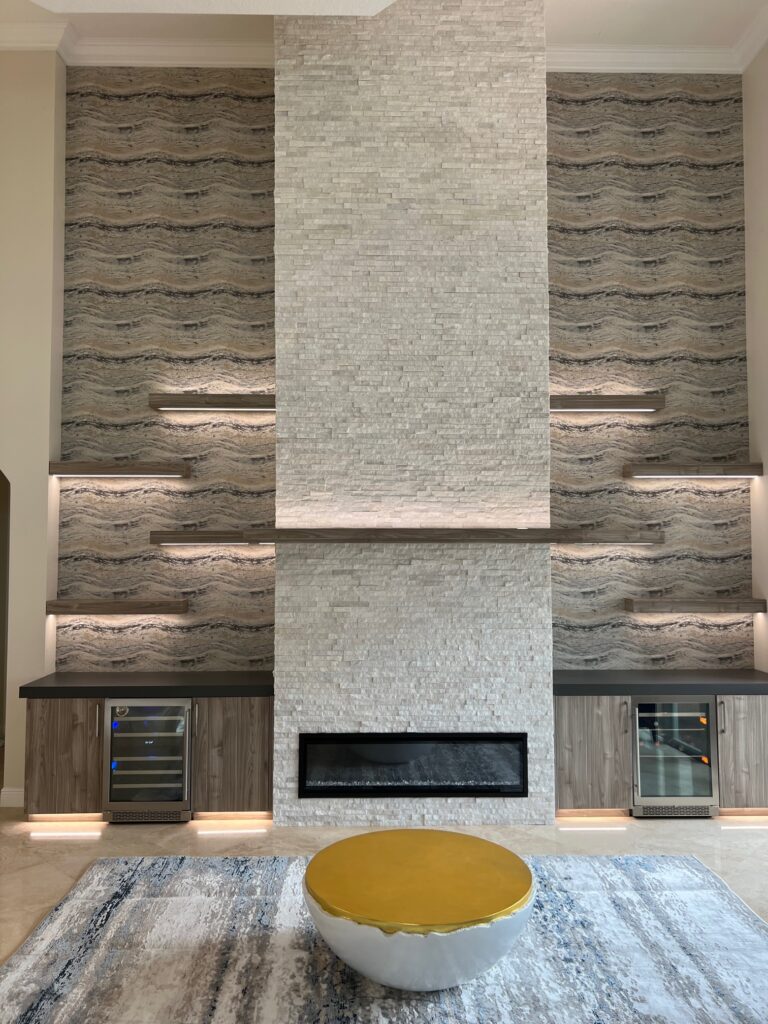
Choosing the Right Path for Flawless Walls: An Owner’s Guide to Hiring and Managing Wallpaper Pros
Planning any wallpaper project begins with a clear scope, and owners benefit from defining rooms, surfaces, and timelines before seeking proposals. Assess your wall conditions, note humidity zones, and identify obstructions like sconces or thermostats. Establish whether you need pure installation or also removal and repairs. The sharper the scope, the more accurate the labor plan, adhesive selection, and staging sequence, which protects schedule and finish quality.
Meanwhile, surface preparation sets the tone for success. Verify drywall integrity, skim where needed, and prime with the right sealer to create a stable substrate. Old paint sheens, hairline cracks, and prior adhesives all influence adhesion. Pros will test sections, validate moisture levels in baths, and refine the plan for seams at corners. Proper prep limits bubbles, curl, and telegraphing, especially with delicate or textured materials.
Beyond that, material selection deserves careful review. Document lot numbers, inspect print runs, and align patterns with wall geometry. Grasscloth, silks, and foils demand tight lighting checks, while vinyls tolerate higher-traffic zones. Then think through roll yield against pattern repeats and waste factors around windows. Owners often buffer 10–15 percent overage to handle cuts and future touch-ups, protecting color match and continuity across phases.
In practice, sequencing the space helps the crew maintain momentum and cleanliness. Stage furniture moves, protect floors, and plan a path that avoids fresh seams near doorways during peak traffic. Installers prefer working top-down, calibrating plumb lines and laser references before the first drop. Edges at casings, ceiling lines, and niches benefit from measured scribing to reduce tension points that might creep as adhesives cure.
However, project success also hinges on vendor fit and documentation. Request references from comparable residential or commercial projects and review detailed proposals that explain prep steps, adhesives, and pattern-matching methods. Scope the punch-list process up front, including remedies for minor lifting or seam gaps. A written plan clarifies roles if you later add Wallpaper Removals or small touch-up work that requires distinct timing and disposal considerations.
Often, budgeting for contingencies keeps surprises manageable. Hidden wall damage, unexpected paint failure, or misprinted rolls can slow progress. Maintain a small allowance for supplemental Repairs so the team can correct substrate issues without halting. Validate lead times on specialty materials and adhesives to avoid idle days. Owners who set clear decision gates minimize rework and keep momentum steady from first prep to final inspection.
Then, lighting and environmental controls come into play. Bright, raking light reveals seams and surface flaws that ambient fixtures might hide, so temporary task lighting is wise during installation. Maintain stable temperature and humidity to support adhesive cure schedules. Inspect sample seams under daylight and artificial light to confirm sheen consistency. These simple checks help installers refine techniques and avert callbacks tied to environmental drift.
Finally, installation workflow should be transparent but flexible. Pros will measure twice, dry-fit, and test corner wraps before committing adhesive. They document tricky transitions, note pattern centers, and phase feature walls to maintain visual balance. When owners handle their own material purchase, confirming quantity and condition on delivery prevents late-stage shortfalls. Wallpaper Installations benefit from this shared diligence, aligning craft with practical project control.
Aftercare extends the life of the finish. Maintain gentle cleaning methods per material type and avoid harsh chemicals that can etch inks or disturb seams. Inspect high-touch zones seasonally and address minor lifting early. When damage occurs, targeted Wallpaper Repairs restore continuity without replacing entire elevations, provided spare material is on hand and conditions match the original installation environment.
Summing up, the wallpaper installer landscape rewards preparation, communication, and measured oversight. From substrate readiness to sequencing, from vendor selection to maintenance, each choice compounds. If an existing finish must be removed, planned Wallpaper Removals safeguard the substrate for future success. By aligning expectations, documenting decisions, and trusting seasoned hands, owners secure durable, refined walls that honor both design intent and day-to-day use.